
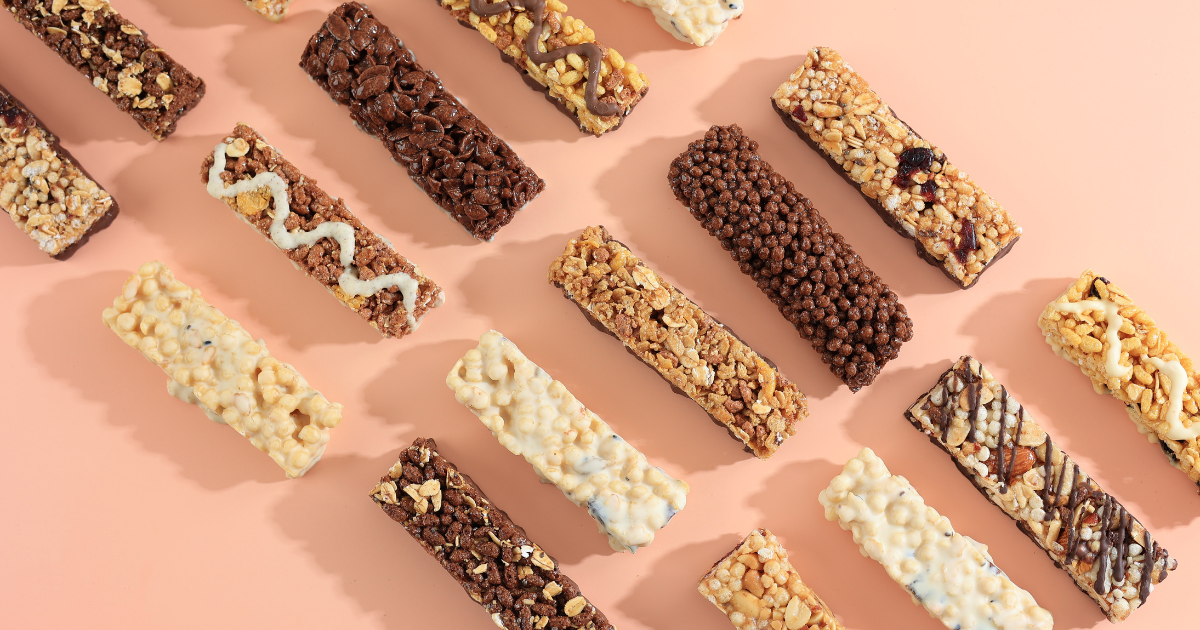
You just crushed your workout. Next, you know you need to refuel with carbohydrates and protein to optimize your recovery and reap all the benefits of your hard work. Finding quick carbohydrates isn’t too challenging, but protein on the go can be a bit trickier. Enter the protein bar, the OG of portable, convenient, shelf-stable protein snacks. Once only available in gyms or health food stores, protein bars are now a regular staple in most grocery stores and gas stations. In 2024, high-protein bars (those with >15 grams of protein) reached nearly $1.5 billion in sales (1). With so many options – which protein bar do you pick? I can help! I’m Angie, Registered Dietitian and sports nutrition expert. I love helping athletes find easy ways to fuel up and recover well, and deliciousness and pleasure are always top of mind. With so many protein bars to choose from, it can be hard to know which bars have the right ingredients to help you perform and recover optimally, and which ones actually taste good. By the end of this blog post, you’ll learn some key facts about protein bars and whether including one is the right move for you. To help you make that decision, I will cover:
- Benefits of Protein Bars for Athletes
- When is a good time to nosh on a protein bar?
- What to look for on the label of a “good” protein bar?
- My picks for the 5 best-tasting protein bars for athletes
- An easy recipe to make your own protein bars
Note: this blog post contains affiliate links. This means that I may earn a commission at no cost to you. As an Amazon Associate, I earn from qualifying purchases. Let’s take a bite!
Benefits of Protein Bars for Athletes
A protein bar can be a quick, convenient, portable, and tasty way to kickstart athletic recovery when consumed within an hour post-exercise. The ideal bar will include both carbohydrates and protein to help replenish glycogen stores, assist with muscle repair, and potentially decrease soreness after training. Some smaller studies have indeed found a benefit for athletes when they eat a bar that has both carbs and protein after they work out; the benefits included improved physical adaptation to training, stable glucose levels, and less muscle soreness (2,3). Aside from helping to promote recovery, many athletes enjoy protein bars between meals or in addition to meals to help meet overall nutrition goals, or serve as a snack that keeps blood sugar (and mood!) steady and stable.
When is a Good Time to Include a Protein Bar?

What to Look for on the Label
As you wade through the many options of protein bars out there, I do want you to remember that taste matters, too. So while I am offering some guidance on what nutrients best support your nutrition goals, remember that it will only help you if you actually like it. Keep in mind that there is no legal definition for a “protein bar,” but the tips below will help guide you through reading the nutrition label and deciding if it is actually a nourishing choice for you.
A. Protein Content
- Goal: Look for 10–20g of protein per bar. What you choose may vary based on your sport, nutritional needs, and athletic goals. Just did a heavy lifting workout? Opt for 20 grams (or more) in your post-workout bar. Just looking for a healthy snack? 10 grams would be plenty.
- Best protein sources: Whey isolate, casein, egg white, or plant-based options like pea protein, nuts, and seeds.
- Why it matters: Whey is fast-digesting and easily absorbed; ideal for post-workout recovery. Plant-based proteins are slower-digesting and great for steady recovery or in-between-meal snacking.
B. Carbohydrates
- Look for: 20–40 grams of carbohydrates if it’s a post-workout recovery bar.
- Avoid: Bars with little to no carbs if recovery is the goal; you won’t see any very low carbohydrate bars on my tastiest list (because they aren’t the most functional for you, as an athlete).
- Tip: Check if carbs come from whole-food sources like oats or dates, or if they come from a slow-digesting sweetener, like brown rice syrup.
C. Sugars
- Natural vs. added: Most of the bars on my list will contain some natural sugars, from sources like fruit or honey. These natural sweeteners are welcome post-exercise and help to replenish glycogen stores.
- Pro tip: ≤10g added sugar is a good benchmark for a well-balanced protein bar.
D. Fats
- Healthy fats: Many of the bars on my list contain nuts or seeds, contributing to the healthy fat content in them.
- Avoid: Bars that contain a high percentage of saturated fat.
E. Other Nutrients for Recovery
- Fiber: Take a peek at the fiber content, which is listed under carbohydrates on the label. 3–6g (or more) in your post-workout bar can help with a feeling of fullness, and also contribute to overall digestive health.
F. Ingredients List
- Rule of thumb: Whole foods that you recognize usually mean fewer additives or ingredients that might not agree with your digestive system.
- Use Caution: Artificial sweeteners and sugar alcohols can cause stomach upset and a laxative effect if overconsumed.
Best Tasting Protein Bars I’ve Tried
I would never recommend any bar that I haven’t personally tried (or have heard feedback from many clients about). This is my list of my top choices for best-tasting protein bars.
Best Tasting Overall: Go Macro
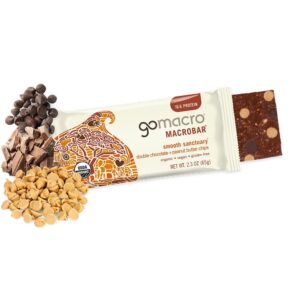
Go Macro ticks all the boxes:
- organic ingredients
- balanced macronutrients (including 10 or more grams of protein from organic sprouted rice protein and organic pea protein)
- a nice, chewy texture
- available in 17 naturally delicious flavors
- also offer mini-bars and kids’ bars
They are kosher, vegan, gluten-free, certified USDA organic, and Low FODMAP-friendly, the latter of which is pretty rare in a protein bar. Many of the flavors do contain nuts, but they offer nut-free versions, as well. This was one of the first protein bars that I ever tried that I thought was truly delicious. After trying hundreds, this remains a favorite. The only downside, if there is one, is that they can be pricey at about $2.50/bar even when purchased in bulk.
Best Tasting Refrigerated: Perfect Bar

- It is quite literally perfectly delicious.
- Boasts a “cookie-dough-like texture,” and who doesn’t want a nibble of that?
- They are more nutrient-dense at about 330 calories each, providing 24 grams of carbohydrates and 15 grams of protein, making them a preferred option for athletes who need more calories.
- Also available in half-sized mini-bars for when a smaller snack fits the bill
The protein source in Perfect Bars is non-fat dry milk and eggs, so these are not vegan. They are gluten-free and soy-free, and have 20+ superfoods added as a bonus (think kale, spinach, and flax powders, amongst others), although I promise that you can’t taste them. Their unique formulation and perishability require that they be refrigerated until ready for use, so most of my athletes who enjoy them carry them in a lunch box with an ice pack. Perfect Bars run about $2/bar when purchased in a 10-pack.
Best Tasting Lower-Calorie, High-Fiber: TRUBAR

Version 1.0.0
Trubar started showing up in my local Costco a year or two ago. I purchased them on a whim, and was blown away by their yum factor.
- The macros are impressive: 12 grams of protein and 12 grams of fiber in a 190-calorie bar.
- They are gluten-free, dairy-free, soy-free, and made with whole food, plant-based ingredients like almonds, cassava, and pea protein.
- Soft, chewy texture with a delicious chocolatey dipped coating
- Also available in kids bars that are “school-friendly” with no tree nuts or peanuts
Amazon carries them for around $2.50/bar in a 12-pack. My Costco sells a 16-pack for $19.79, cutting the price per bar in half.
Best Tasting Unique Packaging: Circ


Circ has all the flavor and scrumptiousness of a homemade protein ball, packaged up for portability in the most creative way.
- Instead of a traditional protein bar, Circ is 5 bite-sized protein balls in resealable packaging, perfect if you want to spread out your snack over time (but I bet you’ll polish off all 5 in one sitting, just like I did)
- The protein sources in Circ are a combination of plant-based protein and whey protein, so they are vegetarian, but not vegan.
- The calorie range is right around 200 calories, and the protein content varies by flavor, with most having 10 grams and other varieties as much as 20 grams.
I stumbled across these in a gas station on a recent road trip, and they were the most nutritious and delicious surprise. They were $2.35 at the gas station, and a 12-pack on Amazon has about the same price per package.
Best Tasting that resembles a candy bar: Barebells

- excellent macronutrients; 20 grams of protein in 200 calories with no added sugar
- candy-bar-like taste; a doppelganger for a 100 Grand candy bar
- Protein source is a milk protein blend, making it vegetarian but not vegan
- Also includes bovine collagen, so they are not kosher
- Quick note: while there is nothing wrong with the occasional true candy bar, including them every day isn’t always the best way to meet your nutritional needs for performance and recovery
Use caution: Because they use maltitol and sucralose to keep the sugar content low, those with a sensitive stomach should be aware of a potential laxative effect. However, I consider myself to have a mildly sensitive stomach, and I have never had an issue with eating one a day. A 12-count variety pack will run you about $2.75 per bar, and I’ve seen these as high as $4.50 each in my local gas stations, making these one of the most expensive on the list.
Tips (and a recipe) for Making your own Protein Bars
One misunderstanding that I don’t want you to have is that these bars, or any others, are superior to your favorite foods. I am always rooting for you to enjoy a full meal or an easy homemade snack for recovery, when that is an option. Read my blogs on delicious recovery foods or healthy athlete snacks for ideas. Bars can certainly be a convenient item to add to your sports nutrition line-up. If the cost has you down, you can consider making your own bars for a fraction of the price. Download a crowd-pleasing, easy-peasy, no-bake chocolate-almond protein bar recipe here.
Recover from your workout with the right food for you

- Protein bars with at least 10-20 grams of protein can contribute to your athletic recovery. Bars that also include carbohydrates will help replenish glycogen stores, facilitating recovery further.
- Read labels for other ingredients like fat, fiber, and sweeteners to help you decide if it’s the right bar for you.
- Quality ingredients in your post-workout snack bar can lead to quality recovery and better performance at upcoming training sessions.
- If the cost of pre-packaged bars does not fit into your budget, you can adequately recover with a homemade meal, leftovers, or homemade protein bars.
Hitting your protein goals is one of the many ways you can get the most out of your training. If you find yourself snack-challenged or could use personalized recommendations for your recovery plan, let’s talk! Use this link to schedule an appointment now. If you have insurance, this appointment might be 100% covered!
0 Comments