
What comes to mind when you hear the word inflammation? I think of the ouchy bump of a bee sting, the painful swelling of a sprained ankle, or even an angry, red pimple.
Inflammation is a topic that comes up frequently in my sessions with athletes, but it isn’t always a “bad thing” to be feared. Acute inflammation that happens after an injury – that bee sting, sprained ankle, or pimple– is an important part of how our bodies heal.
As athletes, we often push our bodies to the limit. It’s no wonder that we experience acute inflammation from time to time. Acute inflammation is temporary, and it can be a normal part of training, adapting, and getting stronger.
But what about factors that lead to chronic inflammation, which has been linked to a number of chronic conditions such as cardiovascular disease, diabetes, and cancer (1)? Do our sports diets play a role?
I’m Angie, a Registered Dietitian. You may know me as a sports nutrition expert and certified intuitive eating counselor. While I want your sports performance to be top-notch, and your relationship with food to feel relaxed and easy, I’m always rooting for your overall health to be the best it can be, and that includes eating with the prevention of chronic disease in mind.
In this blog post, I’ll walk you through some background on inflammation and the role that anti-inflammatory foods play in our bodies. I’ll explain why I often start with the addition of these foods when trying to decrease an inflammatory response, and I’ll give you some of my favorite, easy ways to include these foods starting today.
If you are considering other ways to improve your overall health, check out my post, Setting Nutrition Goals without Dieting: A Key to Sustainable Health this Year, which contains more tips.
Understanding Inflammation in Athletes

So, let’s talk about inflammation and what foods we may want to include on the regular to keep it in check. Your health – and even your athletic performance – will benefit.
The Helpful Role of Inflammation (Acute Inflammation)
Athletes may experience short-term or acute inflammation following a challenging training session or competition. Your muscles may experience tiny tears, or microtears, and your body knows just what to do to start the healing process.
Your immune system sends white blood cells and other chemical messengers to your sore muscles, promoting healing. In the meantime, you may have swelling, redness, and fatigue.
Once those sore muscles are repaired, they become stronger and more resilient for your next hard effort.
The Harmful Role of Inflammation (Chronic Inflammation)
Unlike acute inflammation, athletes may experience long-term or chronic inflammation. This is the kind of inflammation that we want to prevent as much as possible.
Instead of a short-term turnaround, chronic inflammation may stick around for weeks or months. The immune system continues to send inflammatory signals, which can impair recovery, drain energy, and lead to injury.
Causes of Chronic Inflammation in Athletes
- Overtraining without adequate rest
- Chronic stress
- Poor sleep
- Diets high in processed foods, sugars, and unhealthy fats
As a dietitian, I am always excited for an opportunity to empower my clients to use their meals to nourish their current training as well as their long-term health. Enter: the anti-inflammatory diet…which isn’t a short-term, fad diet at all.
What is an Anti-Inflammatory Diet?

Unlike other strict or fad diets, an anti-inflammatory diet is an eating plan that focuses on including more foods that may help to decrease inflammation while limiting foods that may trigger it. It isn’t a black and white approach – it’s flexible.
Core principles
- Foods Rich in Antioxidants and Phytonutrients
Colorful fruits and vegetables that are high in antioxidants and phytonutrients help to reduce cell damage and decrease inflammation.
- Foods rich in Omega-3 Fatty Acids
Anti-inflammatory Omega-3 fatty acids, found in things like fish, nuts, and seeds, can also help to reduce inflammation.
- Whole, Minimally-Processed Foods
Consuming foods in their natural form preserves more of their antioxidant properties. Choosing mostly whole foods, like fruits and vegetables, whole grains, legumes, lean protein, and healthy fats, is a good practice to reduce inflammation. But remember that your nutritional needs are high as an athlete, and there are times when packaged or processed foods play an important role to keep you in caloric balance, fuel up quickly before a workout, or assist with kickstarting recovery.
- Balanced Macronutrients
Choosing meals and snacks that combine complex carbohydrates with adequate protein and healthy fats helps to stabilize blood sugar and reduce inflammation. However, there may be times when fueling up with easily-digested carbohydrates prior to training or competitions may be more ideal for performance. For more information, see my post on 6 Best Pre-Workout Snack Bars for Athletes.
Foods to include
- Fruits and Veggies
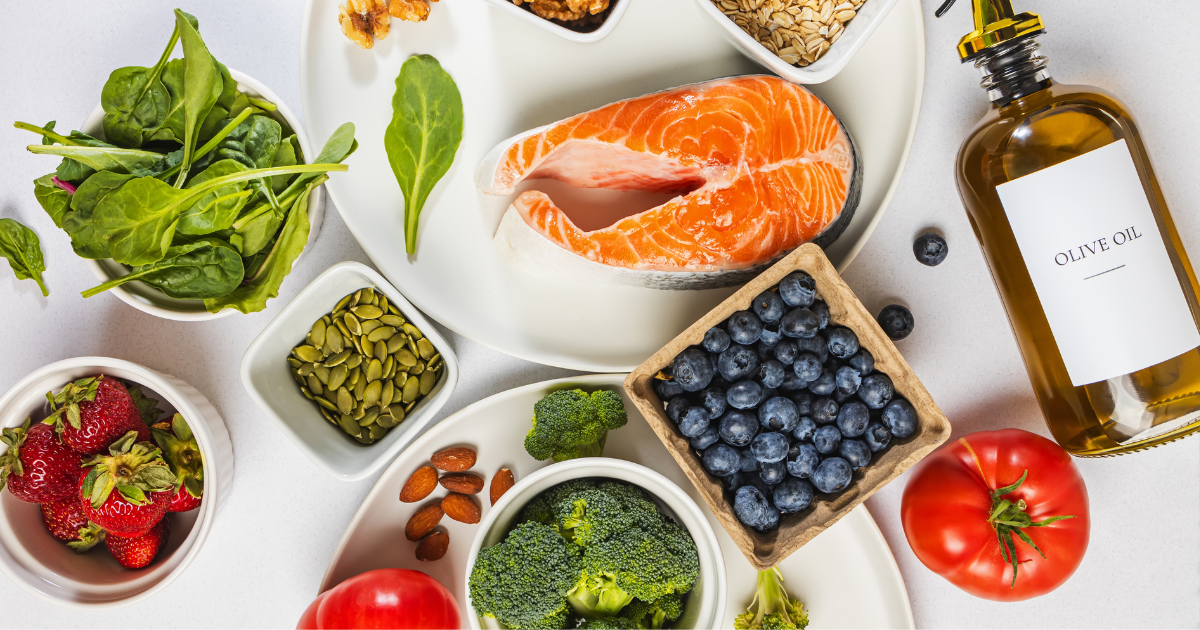
Berries, cherries, citrus fruits, leafy greens, and cruciferous vegetables, like broccoli, cauliflower, kale, and Brussels sprouts, are particularly beneficial for athletes to include in their anti-inflammatory eating plans.
- Healthy Fats
Our richest sources of anti-inflammatory omega-3 fatty acids come from fatty fish like salmon, mackerel, and canned sardines. Other good sources include extra-virgin olive oil, avocado, nuts, and seeds, like hemp hearts, chia seeds, and flax seeds.
- Herbs and Spices
Don’t forget the spice! Turmeric, ginger, garlic, and cinnamon are all natural anti-inflammatories and are delicious additions to your sports diet. I love making quick stir-fries with the triple punch of turmeric, garlic, and ginger, and my oats or yogurt bowls are never complete without a dusting of cinnamon.
- Whole Grains and Legumes
Not only are whole grains and legumes excellent sources of complex carbohydrates essential to fueling your body for all your athletic endeavors, they also help to provide steady energy and balanced blood sugars to keep inflammation in check.
- Fermented Foods
Including fermented foods in your sports diet may also play a role in decreasing inflammation. Fermented foods are a source of helpful ‘bugs’ and refresh the community of probiotics in your digestive tract.
How? Including foods like yogurt, kefir, sauerkraut, and kimchi are delicious and gut-health-promoting add-ins to include on the regular. Easy additions for athletes include using kefir in your next protein shake or scooping some sauerkraut into your next salad or wrap.
For more information on improving digestive health, see my post on Love Your Gut: 8 Prebiotic Foods to Include for Gut Health and Sports Performance.
Foods to limit

Quick note – this is NOT a list of foods to never have again. Nutrition, wellness, and athletic performance are based on what we do most of the time. But if we try to micromanage every single bite or vilify certain food groups, we lose the ease and flexibility of an eating plan that we can stick with long term. Just like we generally feel better when we get a good night’s sleep, it is also OK to stay up late once in a while to dance your heart out at a concert. So, while I do recommend limiting these foods for overall wellness, it is perfectly fine to enjoy them sometimes.
- Processed Meats
Ex: deli meat, bacon, sausage, hot dogs
Some processed meats, like sausages or deli meat, contain more saturated fat and additives that may lead to inflammation. Choosing more lean, unprocessed meats in your regular sports diet may help to limit it. But again, this doesn’t mean never. I even wrote a blog in honor of sandwiches, here.
- Refined Carbohydrates
Ex: white bread, cookies, muffins, crackers, pancakes, and other food made with refined flour
This one can feel tricky because our sports performance diets rely on carbohydrates to fuel our most challenging sessions. Sometimes a meal or a snack that includes a refined carbohydrate, like a peanut butter and jelly sandwich on white bread, is exactly the fuel you need to perform your best. If we can choose more whole grains and legumes outside of our immediate training fuel, this may help to decrease inflammation.
- Sugary Snacks and Beverages
Ex: candy, soda
Limiting sugary snacks and drinks is typically recommended to optimize blood sugar and prevent inflammation leading to chronic conditions, like diabetes and cardiovascular disease. Again, there may be times when fueling up with a sugar-sweetened sports drink or higher sugar snack immediately before training is just the ticket to feeling powerful in that session (and it won’t spike your blood sugar). Limiting these foods outside of training, and choosing more balanced sports meals and snacks can help to reduce inflammation.
- Excessive Alcohol
Ex: more than 1-2 alcoholic beverages per day
It’s no secret that alcohol is a toxin, and excess consumption can be pro-inflammatory, particularly regarding your liver health. Whether you choose to limit alcohol in your sports diet in an attempt to decrease inflammation or to improve your sports performance, both are worth considering. For more information, check out How Alcohol Affects Athletic Performance-What Every Athlete Should Know.
- Trans Fats and Fried Foods
Ex: French fries, chicken nuggets, some pastries, donuts, biscuits
Foods high in trans fats or fried foods don’t tend to be the most gut-friendly foods for athletes anyway, but consuming a lot of them may contribute to inflammation. In fact, these types of fats contribute to heart disease, so choosing more healthful fats in your day-to-day keeps your health and sports performance on the right track.
Benefits of Anti-Inflammatory Foods for Athletes

How are anti-inflammatory foods a boost to your training and long-term health? Let me count the ways!
Faster recovery
We all want to recover and get back to our next session in the best form possible. Choosing more foods that help to decrease inflammation can help speed up the recovery process. For more tips, see Top 10 Most Delicious Recovery Foods for Athletes.
Injury prevention
Decreasing inflammation can help prevent injury associated with wear and tear on muscles, joints, and tendons. With the right nutrients, your body can heal better.
Immune Health
Including anti-inflammatory foods in your sports diet may help strengthen your immune system, particularly during periods of intense training. This, in turn, may help prevent colds or illnesses that would have otherwise kept you benched.
Longevity in Sport
One of the most important factors in preventing chronic disease is the ability to keep moving and enjoying purposeful training activities for as long as possible. Anti-inflammatory diets may help to prevent long-term injury, allowing us to train and feel vibrant into our golden years.
Practical Tips for Athletes
It can feel overwhelming to try to figure out where to start. If I were just starting to think about anti-inflammatory eating today, these would be my top tips.
Boost with Berries
Adding at least one serving of berries to your sports diet is a great (and fun) goal to implement. I love adding raspberries, blackberries, blueberries, or strawberries to my training meals and snacks. They are a delicious topper to oats, yogurt, cereal, salads, or are wonderful blended into smoothies.
And if the price of fresh berries has got you down, I hear you! You can save some money and decrease the risk of spoilage by purchasing frozen berries instead – they’re just as nourishing!
Add a Cruciferous Vegetable
How many of you are eating cauliflower, cabbage, broccoli, Brussels sprouts, or kale every day? Cruciferous vegetables are potent antioxidants, but also provide digestive benefits from their fiber, and a plethora of other vitamins and minerals, as well. Challenge yourself to include at least one serving in your salads, or as a steamed or roasted side veggie with any meal.
Love Legumes
Legumes, like chickpeas, lentils, kidney beans, black beans, peas, pinto beans, and soybeans, seem to be the thing that a lot of the athletes I work with are missing out on. Could you challenge yourself to include even half a cup of these powerful little peas every day? Not only are they great sources of carbohydrates, fiber, and protein essential to your sports diet, but their inclusion may also help to decrease inflammation.
My favorite ways to include legumes? Try crispy chickpeas as a salad topper, add creamy northern beans to hearty fall soups, make a luscious lentil bolognese pasta, and don’t forget delicious dips, like hummus, scooped up with fresh veggies (red peppers are my favorite).
Focus on Healthy Fat
Adding healthy fats provides more than flavor; the right fats can help decrease inflammation and get us recovered and back to training more quickly. Whether you are cooking with olive oil or using it as a salad dressing, it has an important anti-inflammatory role.
Another good way to incorporate healthy fats daily is to choose nuts and seeds as part of your snack routine; think of pairing a handful of walnuts with a bundle of grapes for an afternoon pick-me-up. And if fish is part of your diet, plan on including fish higher in omega-3s, such as salmon, whitefish, mackerel, anchovies, or sardines, two to three times during the week.
All about Balance
When in doubt, balance it out. Our diets don’t need to be perfect, and every single thing we eat doesn’t need to have a health benefit. Real health and wellness are about what we do on a regular basis.
That’s a wrap

How you choose to nourish yourself is extraordinarily individualized. There are many paths to optimize nutrition for sports performance and to prevent chronic disease. Incorporating an anti-inflammatory eating pattern can be an important tool for success on both fronts.
Quick Recap:
- We don’t need to fear all inflammation. Acute (short-term) inflammation can help our bodies adapt and get stronger.
- Chronic (long-term) inflammation can impair recovery, drain energy, and lead to injury.
- Adopting anti-inflammatory eating patterns can mitigate chronic inflammation.
- Focusing on whole, minimally processed foods, balanced macronutrients, and foods rich in phytonutrients, antioxidants, and healthy fats are core principles of this eating style.
- Limiting processed foods, sugary snacks and drinks, and excessive alcohol may help to reduce inflammation; note the keyword is limit, not avoid entirely.
- Incorporating anti-inflammatory foods may speed up recovery, prevent injury, support your immune health, and allow you to keep participating in the sports you love as you age.
- There are many easy ways to incorporate more anti-inflammatory foods into your eating routine, starting right now.
Sometimes it is hard to have a bird’s-eye view of your own patterns and beliefs. Just like your coach can give you guidance to improve your form, I can help you dial in the meal plan that supports your training (without stressing you out at mealtimes). It brings me such joy to support my clients with making progress toward more self-care (and self-love) through food.
Adding anti-inflammatory foods to your diet is just one of the many ways to improve your overall health. Contact me to set up an appointment so we can work together toward your most injury-free and healthy year as an athlete! P.S. Your insurance may fully cover the cost of your visit – ask me for more details!
0 Comments