
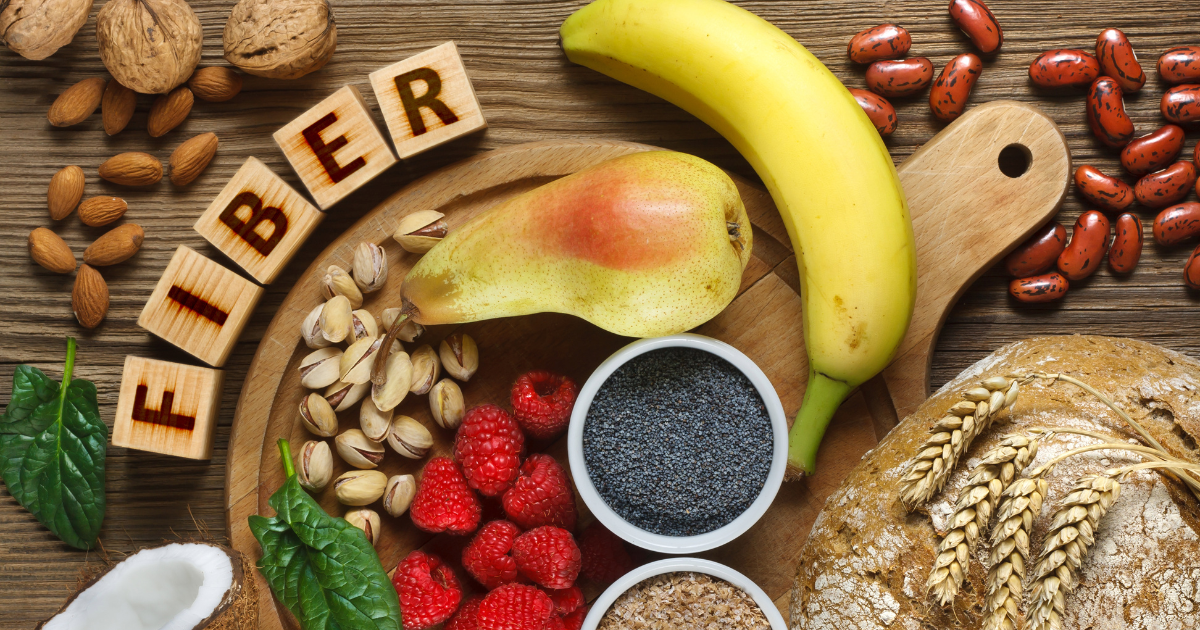
Hey, you, endurance athlete baddie. I see you working a full-time job, training 10 or more hours per week, balancing family time, eating healthfully, working on recovery, and trying to be your very best. It is a lot to juggle, and it’s no wonder that about half of us don’t get enough of a crucial nutrient.
And no – it isn’t protein.
Drumroll, please: it’s fiber!
Yep, that’s right, one study revealed that 49.5% of endurance athletes don’t get enough fiber, with men being particularly challenged by getting enough (70.8 percent of men in this study did not meet fiber requirements (source)).
So, let’s talk about it.
I’m Angie, a Registered Dietitian and sports nutrition expert. I love helping athletes find enjoyable and sustainable ways to plan meals and snacks that support their busy lifestyles. I’m not only committed to helping you improve your performance as an athlete, but I’m also always rooting for your overall health, as well. And making sure you are getting enough good fiber is always top of mind.
But fiber for athletes can be tricky. Too much and you might experience the dreaded mid-workout gut bomb; too little and constipation could leave you slow and sluggish. By the end of this blog post, you’ll learn the key benefits of including adequate fiber in your day-to-day eating. I will cover some of the most common questions I get from my athletes:
-
- What are the fiber recommendations for athletes?
- What are the benefits of eating enough fiber?
- Does fiber cause GI issues during training or racing?
- Is fiber-maxxing a good strategy for endurance athletes?
- What are the best types of fiber for athletes to include?
Fiber Recommendations for Endurance Athletes
Recommendations for fiber intake for the general population are 14 grams of fiber for every 1000 calories consumed, which is based on research demonstrating that this is preventative against coronary artery disease. This translates to about 25 grams of fiber for women and 38 grams for men (source).
Although there are well-established guidelines for other aspects of endurance fueling, there are no specific recommendations for fiber outside of those for the general population. A recent review in Sports Medicine suggests a goal of 30 grams per day for endurance athletes, with a gradual ramp-up over a 6-week period if current intake falls below 20 grams per day (source). This gradual increase helps to minimize the risk of upset tummies – our digestive tract needs practice handling more fiber.
Fiber comes in two main types: soluble and insoluble, and both matter for athletes. Soluble fiber dissolves in water and slows digestion, which helps keep blood sugar steady and supports gut health. It’s found in foods like oats, berries, apples, quinoa, and chia seeds, and is often better tolerated around training. Insoluble fiber doesn’t dissolve in water and helps keep digestion regular by adding bulk to stool. It’s found in foods like leafy greens, broccoli, whole grains, nuts, and seeds. While both types are important for overall health, athletes tend to feel best when higher-fiber foods—especially insoluble fiber—are eaten away from workouts, with lower-fiber options closer to training or competition.
Wonder how much fiber you are eating? It’s not a bad idea to log a few typical eating days with a free app like My Fitness Pal. While I do not believe we need to log all of our food all of the time, resources that help us quantify some key nutrients, like fiber, can help us know our baseline.
Benefits of Eating Enough Fiber

Along with prevention against heart disease, adequate dietary fiber offers a significant number of benefits to endurance athletes. Let’s take a look at some of the other top benefits of eating enough daily fiber.
Supports Gut Health
A healthy gut doesn’t just mean great poops (although that is a nice benefit). The health of our digestive tract impacts the way we absorb nutrients, fight infection, calm inflammation, and even affects our mental health (source).
Interestingly, we don’t actually digest fiber – our gut bacteria do. Fiber is the main fuel to feed the good guys in our colon. These beneficial bacteria make short-chain fatty acids (SCFAs), which strengthen the intestinal barrier.
For more details on how to improve your gut health, check out: Love Your Gut: 8 Prebiotic Foods to Include for Gut Health and Sports Performance.
Key takeaway: Adequate fiber ensures a robust and healthy digestive system, which helps with your performance and recovery as an athlete.
More Stable Energy
As athletes, we rely on carbohydrates to fuel our daily workouts and overall sports performance.
There are times when low-fiber carbohydrates are exactly what we need for quick energy, like in a sports drink or gel during a race. However, if we have enough time to digest carbohydrates that include some fiber, this “super-charged” energy lasts longer.
How? Fiber slows down the digestion of carbohydrates, promoting steady blood sugar levels and reliable, long-lasting energy. This is particularly important for our longest training days.
Key takeaway: Too much fiber too close to a workout or race can be hard to digest, but including fiber as a regular part of your eating plan will help with long, steady energy for your most challenging training days.
Improves Body Composition
Foods that are rich in fiber are naturally very satiating and help to provide fullness. Sometimes our vigorous training can result in an insatiable hunger, where it can be easy to overeat.
Key takeaway: Fiber can support body composition goals by preventing overeating and helping us sense when we are full.
Improves Recovery and Reduces Inflammation
Inflammation itself is not a bad thing – it’s how our body refreshes and repairs our muscles and joints after a training session. But chronic inflammation can hold us back and keep us from performing our best.
Including foods with fiber helps to decrease the risk of chronic inflammation in a few different ways. The first way is what we talked about earlier: a healthy gut produces anti-inflammatory SCFAs. Beyond that, high-fiber foods are often rich in antioxidants, vitamins, and minerals, which help with recovery and prevent chronic inflammation. For example, high-fiber blueberries are rich in the antioxidant anthocyanin that keeps our bodies healthier on a cellular level.
Key takeaway: High-fiber foods prevent chronic inflammation and promote recovery through multiple pathways. For more information, check out: Athlete’s Secret Weapon? Benefits of an Anti-Inflammatory Diet.
Prevents Gastrointestinal Issues During Training and Racing
The dreaded need for a mid-race port-a-potty trip is unfortunately not unusual for many of us. If you’ve escaped this fate, congratulations, but there are many studies demonstrating the digestive challenges that endurance athletes face. Some studies reveal that up to 70% of endurance athletes experience some type of digestive distress, from abdominal pain to diarrhea, during or after intense physical activity (source).
It may seem counterintuitive to focus on fiber to promote the best digestive health, but athletes who regularly consume enough fiber tend to experience fewer digestive mishaps overall. Chronic low fiber intake can lead to gas, bloating, and constipation, all of which interfere with daily training and can make bowel movements unpredictable.
Consistently consuming enough fiber can promote good daily bowel habits and more predictable digestive patterns.
Like many aspects of sports nutrition, there is nuance to fiber consumption. There may be times when a lower fiber pre-workout snack is exactly the right move, or decreasing fiber before a big event will be helpful, but we don’t want to live in a low fiber state all the time. Working with a Registered Dietitian well-versed in how and when to incorporate fiber, and when to pull back, may help you.
What about fiber-maxxing?
Fiber-maxxing is a relatively new phenomenon in health and wellness circles, trying to push daily fiber intake to the maximum and beyond. Some fiber-maxxers aim for over the recommended 30 grams per day.
While there might be some athletes who naturally consume 40-50 grams or more of fiber per day, that’s not the norm. And unfortunately, this may be too much. More isn’t always better. An excess of fiber immediately before training or competitions may slow digestion and impair the absorption of carbohydrates needed to fuel activity. Excessive fiber in post-workout meals could lead to early fullness and underfueling, which impairs recovery.
Maxxing out on the most fiber possible doesn’t usually align with the best performance.
Athletes who benefit the most from fiber are those who include it consistently and at the times that are best for their digestion.
What are the best types of fiber for athletes to include?

When thinking about the “best” anything, I like to recommend things that will be enjoyable to your palate and wallet! Luckily, the very best types of fiber are delicious, versatile, and budget-friendly.
Need some ideas on how to start increasing fiber in your training plan starting today? Download my FREE recipe book of 30 High-Fiber Meals and Snacks that will support your training and digestive health. They include some of the best types of fiber for athletes; read on for a summary of why I suggest each of these ingredients to support your overall health and performance.
High-Fiber Carbohydrates
- Oats: The slow-digesting carbohydrates in oats make them a fantastic fuel source for athletes. They are also very versatile and can be served hot or cold, sweet or savory, with your favorite toppings. Aside from being a steady (and tasty) fuel source, they are also rich in the prebiotic fiber, beta-glucan. One ½ cup of raw old-fashioned oats contains about 4 grams of fiber.
Included in the recipe book: Blueberry Baked Oatmeal with Pecans; Protein & Cinnamon Apple Oats; Cinnamon Pear Baked Oatmeal; and Blueberry Banana Protein Pancakes.
- Quinoa: Another versatile slow-digesting carbohydrate, quinoa, should be considered for every athlete’s training plate. Not only does quinoa provide about 5 grams of fiber per cooked cup, but it also has an added bonus of 8 grams of protein; the perfect combination for optimal blood sugar control. Consider using quinoa as the base in your bowls, as a topping in salad, or as a powerhouse side dish with added fruit or vegetables and protein.
Included in the recipe book: Tofu Quinoa Bowls with Lemon Herb Tahini Sauce, Grilled Chicken and Quinoa Bowls, and Pressure Cooker Stuffed Peppers.
- Brown rice: This rice variety has more fiber and vitamins than white rice. Although both can fit into an athlete’s training diet, brown rice provides about 3.5 grams of fiber per cooked cup. We love to use brown rice in stir-fry bowls, taco bowls, with chicken and vegetables, as an ingredient in soup, and as a key ingredient in comforting casseroles.
Included in the recipe book: Beef and Veggie Skillet (over brown rice), Brown Rice, Chicken and Edamame Bowl.
- Sweet potatoes: These orange, white, or purple beauties serve up about 3.5 grams of fiber in a medium spud. From a quick and easy side dish to a loaded-up main dish, sweet potatoes not only provide an excellent source of carbohydrates and fiber, but they also provide over 400% of your daily vitamin A.
Included in the recipe book: Hot Honey Salmon and Sweet Potato Bowls, Mason Jar Thai Peanut Salad, Pressure Cooker Apple & Yogurt Stuffed Sweet Potatoes.
- Legumes: If I had to pick one food that athletes are sleeping on the most, it would be legumes. These inexpensive beans are one of the best fiber sources around, and they pack plant-based protein, as well. Lentils, black beans, kidney beans, chickpeas, navy beans, and all other varieties of legumes are excellent sources of the prebiotic fiber galacto-oligosaccharides (GOS). The fiber content of legumes can vary, but most will have around 8-9 grams of fiber per half cup. For an easy introduction, add a few tablespoons to salads, tacos, salsas, eggs, or even blend them into your favorite baked treats. Work your way up to legume-heavy soups and stews, stir-frys, salads, and other main dishes.
Included in the recipe book: Mason Jar Thai Peanut Salad; Kale, Rice, and Lentil Bowl, Shrimp and Black Bean Tacos; Loaded Black Bean and Potato Breakfast Burritos; and Black Bean Brownies.
- Whole Grain Bread: Yes, you are reading this right: bread. While some of the general population view bread as a food to moderate, whole-grain bread is a high-fiber athlete staple for easy pre-workout fuel, as part of recovery meals, and for portable meals on the go. Look for whole-grain bread with 3 or more grams of fiber per slice; my favorite is Dave’s Killer Bread 21 Whole Grains and Seeds.
For more information about whether sandwiches are healthy for athletes, check out my blog on sandwiches for more details.
Included in the recipe book: Toast with Nut Butter, Banana & Hemp Seeds; Stacked Veggie Sandwich.
Fruits & Vegetables
All fruits and vegetables provide fiber and benefit athletes, but if I had to pick a few superstars for you to consider including in your weekly meal routine, they would include:
- Berries: Berries provide soluble fiber that supports gut health while being lower in volume than many fruits, making them easier to tolerate around training. They’re also rich in antioxidants that help combat exercise-induced oxidative stress and support recovery. Berries work well in smoothies, yogurt bowls, as a topper for toast, or in post-workout meals.
Included in the recipe book: Blueberry Baked Oatmeal with Pecans; Blueberry Banana Protein Pancakes; Blueberry Oat Smoothie; Blueberry Coconut Chia Pudding; Blueberry Banana Bread.
- Apples and pears: Apples and pears are excellent sources of soluble fiber, particularly pectin, which supports digestion and helps stabilize blood sugar levels. This can lead to more consistent energy throughout the day, which is especially helpful during long training weeks. Leaving the skin on maximizes fiber intake, making these fruits a convenient, portable option for athletes on the go.
Included in the recipe book: Turkey Harvest Salad with Honey Mustard Dressing, Apple Slices with Peanut Butter Yogurt, Chocolate-Dipped Pear with Pistachios, and Cinnamon Pear Baked Oatmeal.
- Leafy greens: Leafy greens like spinach, kale, and arugula provide insoluble fiber that supports regular digestion, along with key micronutrients such as iron, folate, and magnesium. While they’re low in calories, they add valuable fiber and nutrient density to meals, supporting overall health without crowding out other fuel necessary for training and recovery.
Included in the recipe book: Kale, Rice & Lentil Bowl, Stacked Veggie Sandwich, Turkey Harvest Salad with Honey Mustard Dressing.
- Broccoli, carrots, and squash: These vegetables offer a mix of soluble and insoluble fiber, supporting both gut health and satiety. They’re also rich in vitamins A and C, which play roles in immune function and tissue repair, important for athletes under training stress. Roasted, steamed, or microwaved, they’re easy to prepare and pair well with your recovery carbohydrate and protein sources.
Included in the recipe book: Tofu Quinoa Bowl with Lemon Herb Tahini Sauce, Stacked Veggie Sandwich, Pumpkin Breakfast Cookies, Squash and Ground Beef with Couscous.
Snacks
- Nuts and seeds: Nuts and seeds provide fiber and healthy fats with a sprinkle of protein, a perfect recipe to help athletes stay satisfied between meals. They support gut health while contributing energy density, which is useful for athletes with higher calorie needs. Because they digest slowly and are more filling, portions are best kept moderate prior to training.
Included in the recipe book: Blueberry Baked Oatmeal with Pecans; Toast with Nut Butter, Banana & Hemp Seeds; Berry Oat Smoothie; Blueberry Banana Bread.
- Whole-grain wraps or crackers: Whole-grain wraps and crackers offer fiber-rich carbohydrates that support steady energy levels throughout the day. Compared to refined grains, they provide longer-lasting fullness and additional micronutrients. These are best used in meals or snacks away from intense training sessions to avoid GI discomfort.
Included in the recipe book: Loaded Black Bean and Potato Breakfast Burritos, Whole Grain Crackers & Hummus.
- Chia seed pudding: Chia seeds are exceptionally high in soluble fiber, which forms a gel in the digestive tract and supports gut health and satiety. They also provide omega-3 fatty acids, which may help reduce inflammation. Chia pudding works well as a breakfast or a satisfying snack.
Included in the recipe book: Blueberry Coconut Chia Pudding.
- Homemade granola bars/bites: Homemade granola bars allow athletes to combine fiber-rich ingredients like oats, seeds, and dried fruit while deciding on their own portion size and sweetness. They provide a balance of fiber and carbohydrates, making them a practical option for fueling between sessions or during long days. Keeping fiber intake moderate helps maintain tolerance around training.
Included in the recipe book: Chocolate Peanut Butter Energy Bites, No Bake Maple Pecan Bars.
That’s a (high-fiber) wrap!
Where do you fall on fiber? Do you think you are getting enough of this mighty nutrient? Or have you struggled with consistency or execution when trying to incorporate it in the past?
Maybe you are sold on the benefits of fiber for endurance athletes after reading this article, but are short on ideas for easy high-fiber meals and snacks. Look no further: download my FREE recipe book with THIRTY mouth-watering, fiber-boosting recipes.
I look forward to hearing your favorite new way to boost your fiber intake.
0 Comments